
FAQ: How Localization Enhances Customer Experience in Indonesia


Understanding Localization
Localization is the process of adapting a product or content to a specific locale or market. It involves more than just translation; it includes modifying elements such as currency, date formats, cultural references, and even design to resonate with the local audience. When properly executed, localization can significantly enhance the customer experience by making interactions more relatable and engaging.
In Indonesia, a country with over 700 languages and diverse cultural backgrounds, localization is not just beneficial; it’s essential. Tailoring your offerings to meet the linguistic and cultural nuances of the Indonesian audience can result in higher customer satisfaction and loyalty.

Why Is Localization Important in Indonesia?
Indonesia is one of the largest markets in Southeast Asia, with a rapidly growing economy and increasing internet penetration. This makes it an attractive destination for businesses looking to expand their reach. However, the country’s diversity presents unique challenges that can only be addressed through careful localization.
Localization helps to bridge the cultural gap, ensuring that your messaging and offerings are not only understood but also well-received. By speaking the local language and embracing cultural practices, businesses can build trust and establish a strong presence in this vibrant market.
Adapting to Local Languages and Dialects
While Bahasa Indonesia is the official language, many Indonesians speak regional languages and dialects. Addressing your audience in their preferred language can make a significant difference in how your brand is perceived. It shows respect and understanding, which are crucial in building a positive customer experience.

Key Elements of Successful Localization
Successful localization involves a comprehensive approach that goes beyond translation. Here are some key elements to consider:
- Cultural Sensitivity: Understand local customs, traditions, and taboos to ensure your content is culturally appropriate.
- User Interface Design: Modify design elements to align with local aesthetics and usability preferences.
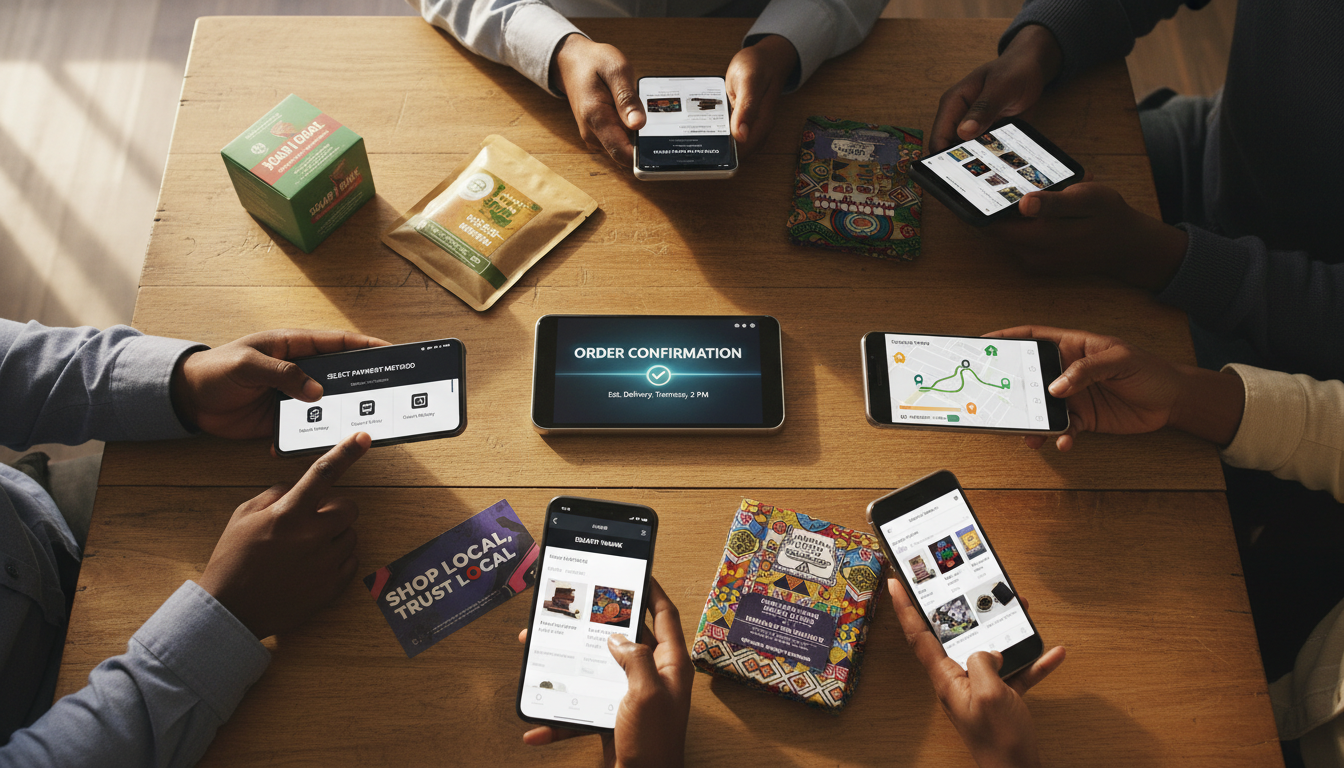
- Payment Methods: Offer payment options that are popular in Indonesia, like bank transfers and e-wallets.
By focusing on these areas, businesses can create a seamless and enjoyable customer experience that resonates with Indonesian consumers.
The Impact of Localization on Customer Experience
When businesses localize their products and services for the Indonesian market, they often see a positive impact on customer satisfaction and engagement. Customers feel valued and understood, which leads to increased loyalty and word-of-mouth promotion.
Moreover, localized content can improve brand perception and credibility. It demonstrates a commitment to serving the local market and understanding its unique needs and preferences.
Measuring Success
To gauge the success of your localization efforts, track metrics such as customer feedback, sales growth in localized regions, and user engagement on localized platforms. These insights can guide future strategies and improvements.
In conclusion, localization is a powerful tool for enhancing the customer experience in Indonesia. By investing in culturally and linguistically appropriate content, businesses can thrive in this dynamic and diverse market.