
The Ultimate Guide to Localization in Indonesia: Strategies for Success


Expanding your business into Indonesia offers a world of opportunities, but it also presents unique challenges. The key to unlocking this vibrant market lies in effective localization strategies. Understanding cultural nuances, language differences, and consumer behavior can make all the difference in your success.

Understanding Local Culture
Indonesia is home to a diverse array of cultures, languages, and traditions. With over 17,000 islands and hundreds of ethnic groups, the cultural landscape is rich and varied. To successfully localize, it's crucial to understand regional differences and tailor your approach accordingly. Engage with local experts and cultural consultants to gain insights into preferences and customs.
Incorporating traditional elements into your marketing campaigns can resonate deeply with the audience. Whether it's using iconic imagery or popular local phrases, showing respect for local culture can enhance your brand's appeal.
Language and Communication
Bahasa Indonesia is the official language, but many regions have their own local dialects. When localizing content, translating into Bahasa is essential, but considering regional languages can further increase your reach. It's important to use native speakers for translation to ensure accuracy and cultural relevance.

Moreover, consider the tone and style of communication. Indonesian consumers appreciate politeness and respect in interactions. Adapting your messaging to reflect these values can build trust and credibility.
Adapting Products and Services
Localization isn't just about translation; it involves adapting your products or services to meet local needs and preferences. This could mean altering product features, packaging, or even pricing strategies. Researching local consumer behavior and preferences is vital to make informed decisions.
For example, tropical climates may affect packaging materials, and local dietary preferences could influence food product formulations. Aligning your offerings with local tastes and needs can lead to greater acceptance and success.
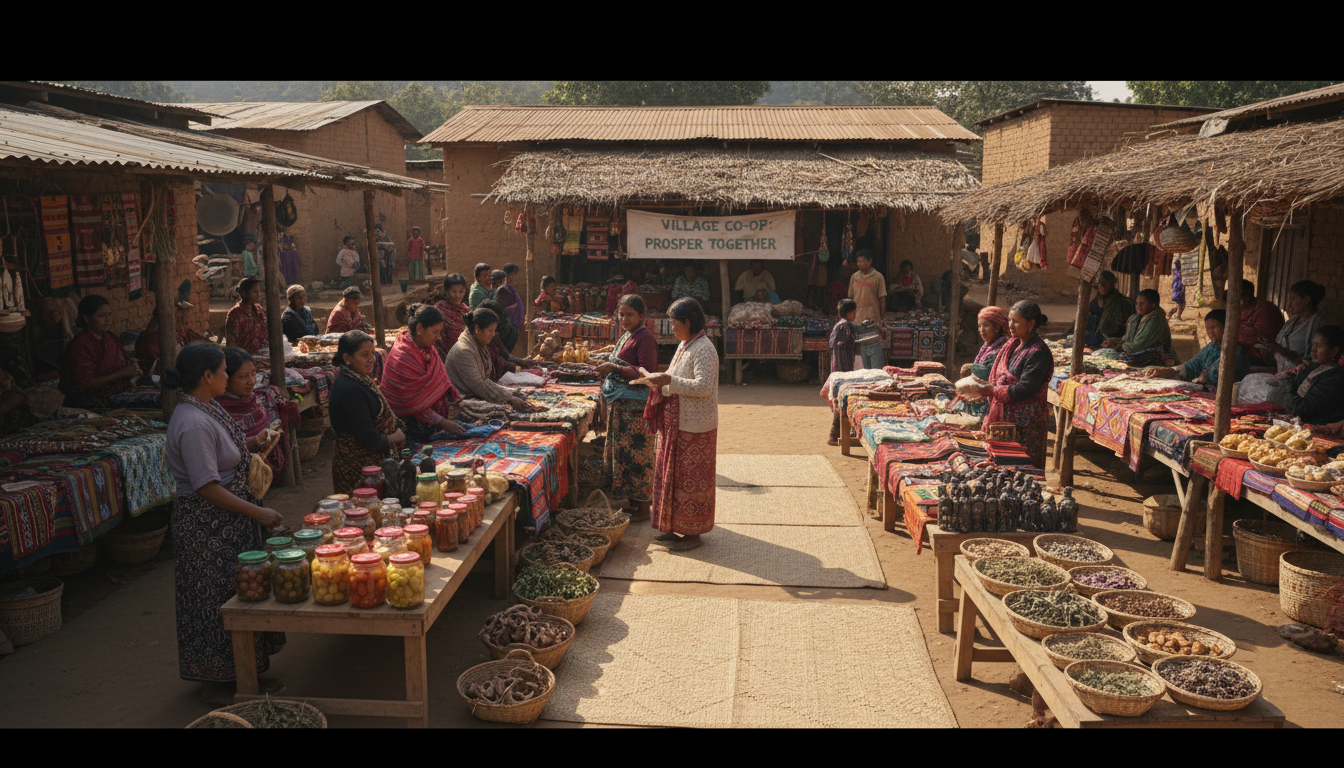
Leveraging Local Partnerships
Collaborating with local businesses or influencers can provide valuable insights and increase your brand's visibility. Partnerships can help navigate regulatory landscapes, understand market dynamics, and foster community trust. Local partners can also assist in distribution and logistics, ensuring your products reach the target audience efficiently.
Utilizing Digital Platforms
Indonesia has a rapidly growing digital landscape, with a significant portion of the population using social media and mobile devices. Leveraging digital platforms for marketing and engagement is essential. Tailor your online presence to reflect local trends and popular platforms, such as Instagram and WhatsApp, which are widely used in Indonesia.

Consider localizing your website and digital content to improve user experience. Use local payment solutions and ensure your site is mobile-friendly, as mobile commerce is prevalent in the region.
Monitoring and Adapting Strategies
Localization is an ongoing process. Continuously monitor market trends, consumer feedback, and competitor strategies. Be ready to adapt and refine your approach based on real-time data and insights. Staying agile and responsive to changes in the market can help maintain your competitive edge.
In conclusion, successful localization in Indonesia requires a comprehensive understanding of local culture, effective communication, product adaptation, strategic partnerships, and digital engagement. By embracing these strategies, businesses can unlock significant growth potential in this dynamic and diverse market.